
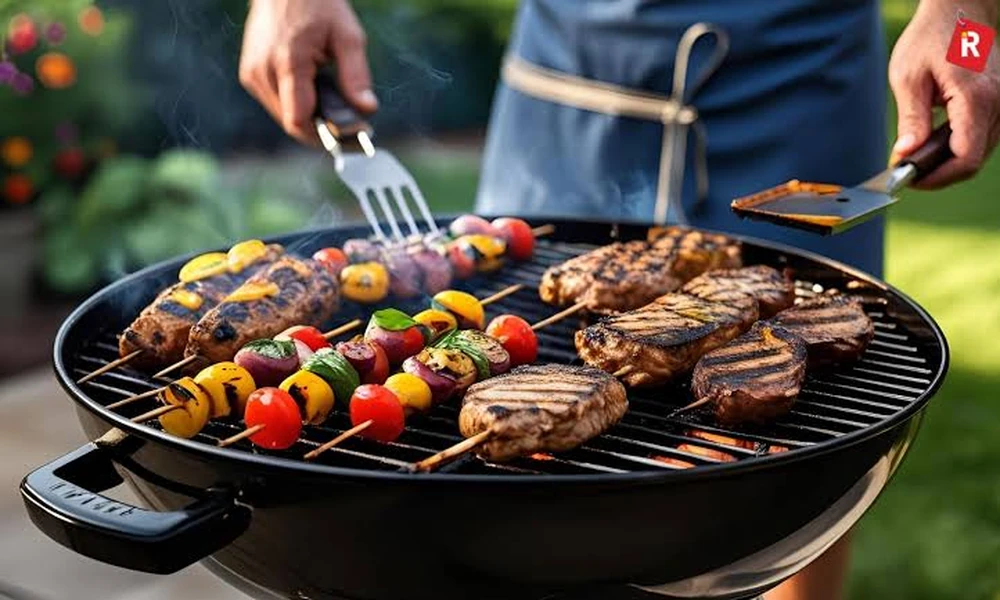
The first attempt at outdoor cooking often becomes too ambitious. A beginner buys several ingredients, invites guests and tries unfamiliar equipment while everyone waits for dinner. There is little room to pause, ask questions or work out why something happened. A practice session with one modest goal creates better conditions for learning.
Treat the first cook as a lesson rather than a performance. You need a task you can repeat, clear instructions for your equipment and enough time to notice the result.
Step 1: Choose one thing to practise
Begin with a technique rather than a large menu. You might practise organising ingredients before cooking, managing different cooking areas or checking progress with the right tool.
Someone looking for guided instruction in Italy may research a corso bbq before practising alone. The useful question is whether the lesson includes supervised work on the skill you want to learn.
Keep the ingredient choice simple and follow a dependable recipe. Several dishes with different timings make it harder to identify what caused a problem.
Write down your aim in one sentence. That gives the session a finish line other than producing an impressive meal.
Step 2: Learn the equipment before lighting it
Read the manufacturer’s instructions for assembly, operation and permitted location. Different devices have different controls and restrictions.
Identify the parts you will need during cooking before heat makes them harder to inspect. Check how the lid, vents or controls operate according to the manual.
If anything is damaged or you cannot understand an instruction, resolve it before starting. Guessing is a poor learning method when equipment and heat are involved.
Ask an instructor to explain unfamiliar controls during a class. A demonstration followed by your own supervised attempt is more useful than trying to remember everything later.
Step 3: Prepare the workspace
Arrange ingredients, utensils and serving dishes before cooking begins. The purpose is to reduce trips away from the equipment and make the next action obvious.
Keep uncooked ingredients and ready-to-eat food apart, and follow the food handling guidance relevant to your location. Choose utensils that suit the task and decide where used equipment will go.
Leave enough room to work without reaching across hot areas. Keep the route clear so another person does not need to squeeze behind the cook carrying a plate.
Warning
Do not improvise a cooking location or move equipment under cover without checking the manufacturer’s requirements. Weather is a reason to postpone a practice session when you do not have a suitable arrangement.
Step 4: Cook with a written sequence
A short sequence reduces the number of decisions you need to hold in your head. Read the recipe fully, then note its main stages.
Include preparation, the start of cooking, the first check and the intended finish. These are prompts for attention rather than a promise that food will be ready at an exact minute.
Conditions and equipment can affect timing. Follow the recipe’s checks and appropriate food safety guidance instead of treating elapsed time or surface colour as proof that food is ready.
If the method requires a thermometer, learn how to use the correct instrument properly. An instructor can demonstrate placement and explain what the reading represents.
Step 5: Change one thing at a time
When an attempt disappoints, several explanations may seem possible. Changing every part of the method makes the next result difficult to interpret.
Suppose vegetables brown unevenly. Review their size, position and the recipe’s instructions before deciding what to adjust. You may find that consistent preparation deserves attention before cooking technique.
Keep the next experiment modest. Repeat the same recipe with one deliberate change and compare the result.
This approach also makes questions easier to ask. A teacher can respond more precisely to a description of what you did than to a general complaint that the meal went wrong.
Step 6: Review before tidying your notes away
Record the equipment used, the recipe and any changes. Add a short description of the result while you can still remember it.
Photographs can help document appearance, but they do not explain the entire process. Write down observations that a picture cannot capture, such as when you checked progress or found an instruction confusing.
If you attend a corso bbq, bring these questions to the instructor where the format permits. Practical questions drawn from your own attempts give the lesson a clear purpose.
Keep the record brief enough that you will use it again. A few specific sentences are better than an elaborate journal abandoned after one session.
Step 7: Repeat before inviting a crowd
A repeat attempt tests whether you understand the method or merely had a good first result. Choose a day when dinner does not depend on success.
Once the task feels manageable, add another dish or cook for a small group. Increase the workload gradually so you can see which part needs more preparation.
Warning
Cooking for other people introduces dietary requirements and additional food handling responsibilities. Ask about these before deciding the menu, and seek appropriate guidance rather than assuming the practice recipe suits everyone.
Let the next meal show what changed
After the session, keep three things clear. Know what you practised, what the result told you and what you will try next.
Progress may look ordinary. Ingredients are ready earlier, a check happens at the right moment or you understand why a dish needs a different method. Those small improvements make the next session easier to manage.
Confidence comes from having a process you can repeat and knowing when to ask for instruction. A successful first cook is one that leaves you better prepared for the second.
